RESDAL
Presents the first interregional study on responses to Sexual Harassment and
Abuse in Defence Institutions across 20 countries of the Global South
The Latin American
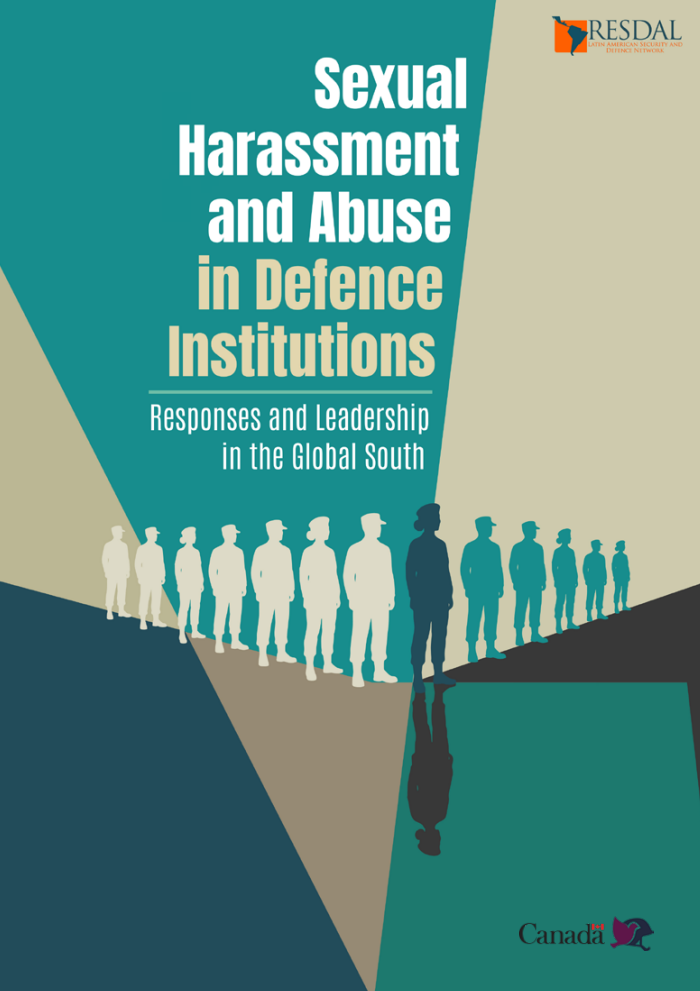
Security and Defence Network (RESDAL) today launched Sexual Harassment and
Abuse in Defence Institutions: Responses and Leadership in the Global South,
a study that, over nearly three years, examined legislation, policies,
protocols, and institutional practices in twenty countries — Argentina,
Bolivia, Brazil, Cameroon, Chile, Colombia, Ecuador, Egypt, El Salvador,
Guatemala, Honduras, India, Mexico, Nigeria, Pakistan, Paraguay, Peru, the
Dominican Republic, Türkiye, and Uruguay — with the aim of positioning this
issue on each country’s and region’s defence agenda.
The report was prepared
with the participation of regional and national contributors from the four
regions studied, and counted with the support of Global Affairs Canada under
the Elsie Initiative.
“What we found is that
the Global South has much to share: there are criminal law reform processes,
institutional protocols, and leadership experiences that are showing concrete
results,” said Cecilia Mazzotta, co-author of the report.
The
study documents that three out of four countries analyzed already classify
sexual harassment as a standalone criminal offense in their criminal codes, and
that most reforms took place between 2010 and 2025 — a period of intense
legislative reform across all regions. At the defence sector level, the report
identifies a growing, although still emerging, trend toward the adoption of
specific reporting protocols and codes of ethics within the armed forces
themselves.
Based
on this diagnosis, the study proposes a set of consolidated lines of action,
including strengthening trust in reporting systems and moving from an
“obligation to report” toward an obligation of institutional response. It also
proposes deepening South-South cooperation to foster the exchange of
experiences and lessons learned among the regions covered by the study.
Download