RESDAL highlights Canada’s experience in addressing
sexual misconduct in the defence sector through interregional dialogue
With
the support of Global Affairs Canada through the Elsie Initiative, RESDAL held
the international webinar “Supporting Those Affected by Sexual Misconduct:
The Role of the Sexual Misconduct Support and Resource Centre and Lessons
Learned. A Practical Experience from Canada” on March 25, in the framework
of International Women’s Day.
Moderated
by specialist Cecilia Mazzotta, the event formed part of the series “Interregional
Conversations from the Global South,” a cycle promoted by RESDAL within the
framework of the project Women in Peace Operations: Supporting Inclusive
Environments through Interregional Collaboration and National Engagement. This fifth session further consolidated the series as a key platform for
exchange, which has already mobilized more than 1,500 participants worldwide.
The
webinar featured opening remarks by Ambassador of Canada to Uruguay, Carmen
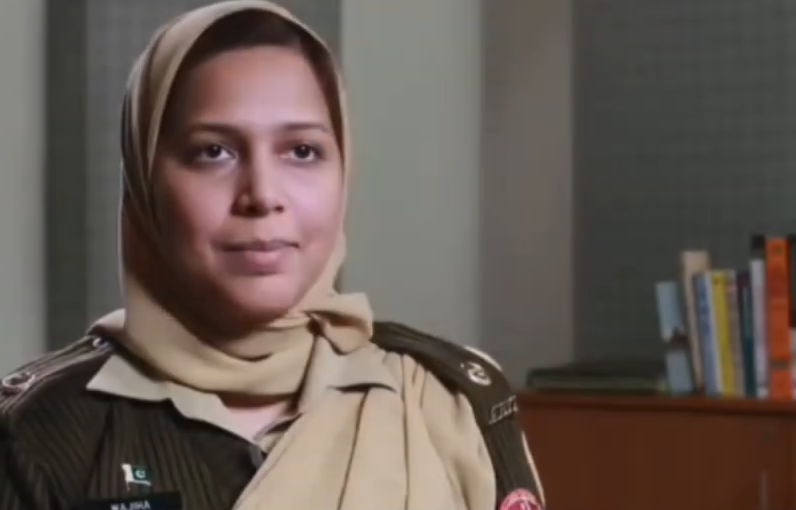
Sorger, and presentations by Elizabeth Cyr, Director General of Service
Delivery at Canada’s Department of National Defence, Lieutenant-Colonel Kate
Pinsent, Senior Military Liaison Officer of the Canadian Armed Forces, and
Lieutenant Colonel Sara Alvi of the Pakistan Army.
Institutional reform and
people-centered approaches
The
discussion focused on Canada’s recent institutional review processes within the
defence and security sectors, highlighting how public and official reports have
enabled critical reflection on structural challenges, accountability standards,
and opportunities for reform. Particular attention was given to mechanisms designed
to support affected personnel and strengthen institutional integrity.
Speakers
emphasized that addressing sexual misconduct requires sustained institutional
commitment, combining prevention, accountability, and comprehensive support
systems. As highlighted during the session, “what is tolerated at home often
continues in operations abroad,” underscoring the importance of aligning
national practices with international standards.
The
role of dedicated support structures—such as Canada’s Sexual Misconduct Support
and Resource Centre—was presented as a key element in ensuring accessible,
confidential, and people-centered assistance. These mechanisms were framed as
essential for building trust, encouraging reporting, and addressing the
long-term impacts of misconduct within defence institutions.
Operational challenges
and lessons learned
Throughout
the webinar, participants reflected on persistent challenges in addressing
sexual misconduct, including cultural barriers, underreporting, resource
constraints, and the complexity of coordinating responses across institutional
and national frameworks.
Speakers
stressed the importance of training, leadership, and early engagement, as well
as the need for continuous adaptation of policies and tools. As noted during
the discussion, strengthening conduct and discipline frameworks requires “coordination,
training, transparent mechanisms, and approaches centered on those affected” to reinforce accountability and trust in peace operations.
The
exchange also highlighted the value of sharing national experiences,
particularly from the Global South, as a way to identify practical solutions
and promote mutual learning across regions.
A truly interregional
dialogue
The
webinar gathered more than 500 participants from 60 countries across all
regions, reflecting its truly interregional scope. From Latin America and the Caribbean, participants joined from Argentina,
Bolivia, Brazil, Chile, Colombia, Costa Rica, Cuba, Curaçao, Dominican
Republic, Ecuador, El Salvador, Guatemala, Honduras, Mexico, Nicaragua, Panama,
Paraguay, Peru, Trinidad and Tobago, Uruguay, and Venezuela. Africa was
represented by Cameroon, Central African Republic, Burundi, Egypt, Ethiopia,
Ghana, Kenya, Liberia, Malawi, Morocco, Nigeria, Senegal, Sierra Leone, South
Sudan, Tanzania, Togo, Uganda, Zambia, and Zimbabwe. From Asia, participants joined from
Afghanistan, Bangladesh, Cambodia, India, Pakistan, and the Philippines. The Middle
East and North Africa (MENA) region included Jordan, Syria, Yemen, and the
Sahrawi Arab Democratic Republic. Finally, Europe and North America were
represented by Canada, Switzerland, Germany, Spain, the United Kingdom, Italy,
Norway, Portugal, and the United States.
This
broad participation underscores the growing demand for horizontal dialogue
spaces that bring together government representatives, defence and security
institutions, international organizations, and civil society actors.
Strengthening cooperation
from the Global South
The session reaffirmed the importance of sustaining
interregional dialogue as a means to advance more inclusive, transparent, and
accountable defence and security institutions. By connecting national
experiences with international frameworks, initiatives such as those promoted
by RESDAL contribute to strengthening cooperation and fostering safer
environments in both domestic and operational contexts.